
What Does a Public Relations Agency Do? A Complete Guide for Businesses in Pakistan

When people talk about marketing, they usually think about advertisements, social media posts, Google rankings, and promotional campaigns.

But what happens when your business needs more than visibility?

What if you want industry recognition, positive media coverage, stronger brand credibility, or better relationships with journalists and the public?

This is where Public Relations (PR) becomes important.

Public relations is not simply about getting your company mentioned in the news. It involves strategically managing communication, building relationships, strengthening public perception, and developing a credible reputation.

For businesses in Pakistan, professional Public Relations Services can help establish a stronger brand presence and create meaningful connections with customers, media organizations, and other stakeholders.

In this guide, we’ll explain what PR agencies do, how public relations works, and why businesses should consider including PR in their overall marketing strategy.

What Is Public Relations (PR)?

Public Relations is the strategic management of communication between an organization and its audiences.

Its primary objective is to build and maintain a positive, credible relationship between a business and the people who interact with it.

A professional PR strategy can involve:

  • Media relations

  • Press release distribution

  • Brand reputation management

  • Corporate communication

  • Public announcements

  • Media outreach

  • Brand storytelling

  • Event publicity

  • Stakeholder communication

  • Public perception management

Unlike traditional advertising, which generally involves paying for promotional placements, public relations often focuses on earning attention and building credibility through relevant communication and relationships.

PR is not about making a business look impressive for a day. It is about developing a reputation that supports the business over time.

What Does a Public Relations Agency Actually Do?

A public relations agency helps businesses plan and manage their external communication.

Its responsibilities depend on the organization’s objectives, industry, target audience, and communication requirements.

Here are some of the most important PR activities.

1. Media Relations and Press Coverage

Media relations is an important part of public relations.

It involves developing professional relationships with journalists, editors, publications, broadcasters, and other relevant media professionals.

Businesses can use media relations to communicate:

  • Company announcements

  • Product launches

  • Business milestones

  • Industry developments

  • Executive appointments

  • Corporate initiatives

  • New partnerships

  • Important organizational updates

A PR professional identifies relevant media opportunities and prepares communication that may interest journalists and their audiences.

The objective is to earn relevant media attention rather than simply distribute announcements everywhere.

A well-written press release is useful, but sending it to hundreds of unrelated contacts is not a media strategy.

2. Press Release Writing and Distribution

A press release is an official announcement prepared for media organizations and other relevant audiences.

Companies commonly use press releases to communicate important developments.

Examples include:

  • Launching a new product

  • Opening a new business location

  • Announcing a corporate partnership

  • Introducing a new service

  • Sharing organizational achievements

  • Announcing business events

An effective press release should include a clear headline, relevant information, supporting details, company background, and appropriate contact information.

It should communicate something genuinely newsworthy rather than simply read like an advertisement.

Professional press release services can help businesses prepare structured announcements and approach relevant media outlets.

3. Brand Reputation Management

A company’s reputation can influence customer confidence, business relationships, and purchasing decisions.

Customers may research a business before making a purchase, signing an agreement, or establishing a partnership.

This makes reputation management an important part of public relations.

Businesses should monitor:

  • Customer feedback

  • Public discussions

  • Media coverage

  • Brand mentions

  • Online reviews

  • Public complaints

  • Stakeholder communication

A reputation management strategy should include accurate communication, responsible responses, and consistent delivery on brand promises.

PR cannot guarantee that every public conversation will be positive. However, effective communication can help businesses address concerns and maintain credibility.

4. Corporate Communication

Businesses communicate with many different audiences, including customers, employees, partners, investors, suppliers, and the media.

Corporate communication helps ensure that these audiences receive clear and consistent information.

It may involve:

  • Corporate announcements

  • Company statements

  • Executive communication

  • Internal communication

  • Business updates

  • Partnership announcements

  • Corporate storytelling

Consistent communication can help reduce misunderstandings and strengthen the way stakeholders perceive an organization.

For growing businesses, professional corporate communication becomes increasingly important as operations and audiences expand.

5. Event Publicity and Brand Activations

Business events can create opportunities for media exposure, audience engagement, and stronger brand relationships.

PR agencies may support event communication through:

  • Event announcements

  • Media invitations

  • Press coordination

  • Event coverage

  • Promotional content

  • Influencer engagement

  • Post-event communication

Brand activations can also help businesses interact with audiences through experiences that connect the brand with real-world customer interests.

The objective should be to make the event relevant to the audience and aligned with the brand’s broader communication strategy.

6. Crisis Communication and Public Perception

Unexpected situations can affect a business’s reputation.

A product complaint, service disruption, controversial announcement, or inaccurate public information may generate negative attention.

Crisis communication focuses on providing accurate, timely, and responsible information during difficult situations.

A communication response should prioritize:

  • Understanding the issue

  • Verifying available information

  • Preparing clear statements

  • Responding consistently

  • Avoiding misleading claims

  • Monitoring public reactions

  • Communicating relevant updates

Silence is not always the best response, but neither is rushing to publish an unverified statement.

Businesses should have a communication process prepared before a crisis occurs.

7. Brand Storytelling and Thought Leadership

Customers do not always connect with companies through advertisements alone.

They also want to understand the people, expertise, values, and ideas behind a brand.

Brand storytelling helps businesses communicate these elements through relevant narratives and content.

Examples include:

  • Founder stories

  • Company milestones

  • Industry insights

  • Expert commentary

  • Corporate achievements

  • Business transformation stories

  • Community initiatives

Thought leadership can further establish a business as a knowledgeable voice in its industry.

For example, a technology company could publish expert insights about emerging technologies, while a manufacturing company might share perspectives on industry developments.

The content should reflect genuine expertise rather than simply repeating popular industry opinions.

Public Relations vs Digital Marketing: What’s the Difference?

PR and digital marketing are closely connected, but they have different primary objectives.

AreaPublic RelationsDigital Marketing
Main objectiveReputation and public perceptionVisibility, engagement, leads, and sales
Main activitiesMedia relations, press releases, corporate communicationSEO, advertising, social media, email marketing
AudienceMedia, stakeholders, customers, publicTarget customers and online audiences
CommunicationOften earned and relationship-drivenPaid, owned, and organic channels
Performance measuresRelevant coverage, mentions, sentiment, relationshipsTraffic, leads, conversions, revenue

Both can support each other.

For example, a company might use PR to secure relevant media coverage while using SEO and content marketing to help its audience discover additional information about the announcement.

You can explore Strategos Media Solutions’ broader Digital Marketing and Creative Services to understand how different marketing activities can work together.

Why Do Businesses in Pakistan Need Public Relations?

Pakistan has a competitive business environment across industries such as technology, healthcare, consumer goods, real estate, education, retail, and eCommerce.

Businesses need more than promotional visibility to establish credibility.

Customers, partners, and other stakeholders often evaluate companies based on their reputation, communication, industry presence, and public information.

Professional PR can help businesses:

  • Strengthen brand credibility

  • Communicate important announcements

  • Build media relationships

  • Develop industry recognition

  • Improve public communication

  • Support product launches

  • Manage reputation-related challenges

  • Establish thought leadership

For businesses in Lahore, Karachi, Islamabad, and other commercial markets, a well-planned PR strategy can support stronger brand recognition and stakeholder relationships.

How to Choose the Right PR Agency in Pakistan

Selecting a public relations agency requires understanding what your business actually needs.

Before hiring a PR agency, evaluate the following factors.

1. Understand Its PR Capabilities

Does the agency offer media relations, press release writing, reputation management, corporate communication, or event publicity?

Make sure the services match your objectives.

2. Review Its Portfolio

Examine the agency’s previous work and experience across relevant industries.

Look for examples of communication strategies, campaigns, media activities, and brand initiatives.

3. Evaluate Its Industry Understanding

An agency working with consumer products may approach PR differently from one working with technology companies or professional services.

Choose a partner that understands your audience and industry.

4. Ask About Its Media Approach

Understand how the agency identifies relevant publications, approaches media contacts, and evaluates potential coverage opportunities.

Be cautious of guaranteed editorial coverage or promises of instant media recognition.

5. Understand Reporting and Measurement

A PR agency should explain how it evaluates campaign performance.

Relevant measurements can include:

  • Media coverage

  • Relevant media mentions

  • Publication relevance

  • Audience reach estimates

  • Brand sentiment

  • Share of voice

  • Message consistency

  • Quality of media relationships

PR success should be evaluated through meaningful communication outcomes rather than simply counting the number of published mentions.

How PR Works Alongside SEO, Social Media, and Branding

Public relations becomes more valuable when it supports a wider marketing strategy.

Consider how different services can work together.

PR and SEO: Relevant media coverage and genuine mentions can increase brand discovery and create opportunities for relevant backlinks.

PR and Social Media: Media coverage, announcements, and company stories can be repurposed into appropriate social content.

PR and Branding: Consistent messaging and communication reinforce brand identity and public perception.

PR and Content Marketing: Expert commentary and company insights can become useful educational resources.

PR and Product Launches: Media outreach and announcements can support product visibility and launch communication.

These activities should be coordinated rather than operating as unrelated marketing tasks.

How to Measure Public Relations Performance

Unlike paid advertising, PR does not always produce an immediate and directly attributable sale.

Its value can be assessed through a combination of communication, reputation, and business indicators.

Consider tracking:

KPIWhat It Measures
Media mentionsHow frequently your brand is mentioned
Relevant publicationsQuality and relevance of media coverage
Media reachEstimated audience exposure
Brand sentimentPublic tone of brand-related coverage
Share of voiceBrand visibility relative to competitors
Referral trafficWebsite visits from external publications
Backlink opportunitiesRelevant editorial links earned
Brand search interestChanges in searches for your brand
Business inquiriesRelevant opportunities influenced by PR

Not every PR campaign will influence every metric. Select measurements based on the campaign’s purpose.

Public Relations Services by Strategos Media Solutions

Strategos Media Solutions offers public relations as part of its wider branding, marketing, and creative services.

Our approach focuses on strategic communication, media relations, press releases, and reputation management to help businesses strengthen their public presence.

With integrated capabilities across branding, social media marketing, performance marketing, content creation, and public relations, Strategos helps businesses connect their communications with broader marketing objectives.

Explore our PR and Digital Marketing Services to learn more about our capabilities.

You can also explore our Xiaomi Pakistan project, where the showcased work includes press release activities, social media handling, media buying, and brand communication.

Learn more about Strategos Media Solutions and our approach to strategic brand building and creative execution.

For businesses looking to strengthen their communication strategy, connect with our team.

Frequently Asked Questions About Public Relations

What does a public relations agency do?

A public relations agency helps businesses manage communication, build media relationships, prepare press releases, strengthen reputation, and maintain relationships with relevant audiences.

What is the difference between PR and advertising?

Advertising generally involves purchasing promotional space or placements. Public relations focuses on strategic communication and building relationships, including opportunities for earned media coverage.

How much do PR services cost in Pakistan?

PR costs depend on the scope of work, campaign duration, media outreach requirements, press release development, event requirements, and reputation management needs. Businesses should request proposals based on their specific objectives.

Is public relations useful for small businesses?

Yes. Small businesses can use PR to communicate company milestones, establish industry credibility, share expert insights, and build relationships with relevant media and communities.

Does PR improve SEO?

PR can support SEO indirectly through increased brand awareness, relevant brand mentions, referral traffic, and opportunities to earn editorial backlinks. However, media coverage does not automatically guarantee improved search rankings.

How long does a PR campaign take?

The timeline depends on campaign objectives, media opportunities, preparation, industry, and outreach requirements. Reputation building generally requires consistent communication over time.

Conclusion

Public relations is an important part of building and maintaining a credible business reputation.

From media relations and press releases to corporate communication and reputation management, professional PR helps businesses communicate their value and develop stronger relationships with stakeholders.

In Pakistan’s competitive business environment, companies should think beyond advertising and consider how they present themselves to customers, media organizations, and the wider public.

A strong brand needs visibility, but it also needs credibility.

Because being talked about is one thing. Being respected for the right reasons is another.

For professional public relations and integrated marketing solutions, connect with Strategos Media Solutions.

When people talk about marketing, they usually think about advertisements, social media posts, Google rankings, and promotional campaigns.

But what happens when your business needs more than visibility?

What if you want industry recognition, positive media coverage, stronger brand credibility, or better relationships with journalists and the public?

This is where Public Relations (PR) becomes important.

Public relations is not simply about getting your company mentioned in the news. It involves strategically managing communication, building relationships, strengthening public perception, and developing a credible reputation.

For businesses in Pakistan, professional Public Relations Services can help establish a stronger brand presence and create meaningful connections with customers, media organizations, and other stakeholders.

In this guide, we’ll explain what PR agencies do, how public relations works, and why businesses should consider including PR in their overall marketing strategy.

What Is Public Relations (PR)?

Public Relations is the strategic management of communication between an organization and its audiences.

Its primary objective is to build and maintain a positive, credible relationship between a business and the people who interact with it.

A professional PR strategy can involve:

  • Media relations

  • Press release distribution

  • Brand reputation management

  • Corporate communication

  • Public announcements

  • Media outreach

  • Brand storytelling

  • Event publicity

  • Stakeholder communication

  • Public perception management

Unlike traditional advertising, which generally involves paying for promotional placements, public relations often focuses on earning attention and building credibility through relevant communication and relationships.

PR is not about making a business look impressive for a day. It is about developing a reputation that supports the business over time.

What Does a Public Relations Agency Actually Do?

A public relations agency helps businesses plan and manage their external communication.

Its responsibilities depend on the organization’s objectives, industry, target audience, and communication requirements.

Here are some of the most important PR activities.

1. Media Relations and Press Coverage

Media relations is an important part of public relations.

It involves developing professional relationships with journalists, editors, publications, broadcasters, and other relevant media professionals.

Businesses can use media relations to communicate:

  • Company announcements

  • Product launches

  • Business milestones

  • Industry developments

  • Executive appointments

  • Corporate initiatives

  • New partnerships

  • Important organizational updates

A PR professional identifies relevant media opportunities and prepares communication that may interest journalists and their audiences.

The objective is to earn relevant media attention rather than simply distribute announcements everywhere.

A well-written press release is useful, but sending it to hundreds of unrelated contacts is not a media strategy.

2. Press Release Writing and Distribution

A press release is an official announcement prepared for media organizations and other relevant audiences.

Companies commonly use press releases to communicate important developments.

Examples include:

  • Launching a new product

  • Opening a new business location

  • Announcing a corporate partnership

  • Introducing a new service

  • Sharing organizational achievements

  • Announcing business events

An effective press release should include a clear headline, relevant information, supporting details, company background, and appropriate contact information.

It should communicate something genuinely newsworthy rather than simply read like an advertisement.

Professional press release services can help businesses prepare structured announcements and approach relevant media outlets.

3. Brand Reputation Management

A company’s reputation can influence customer confidence, business relationships, and purchasing decisions.

Customers may research a business before making a purchase, signing an agreement, or establishing a partnership.

This makes reputation management an important part of public relations.

Businesses should monitor:

  • Customer feedback

  • Public discussions

  • Media coverage

  • Brand mentions

  • Online reviews

  • Public complaints

  • Stakeholder communication

A reputation management strategy should include accurate communication, responsible responses, and consistent delivery on brand promises.

PR cannot guarantee that every public conversation will be positive. However, effective communication can help businesses address concerns and maintain credibility.

4. Corporate Communication

Businesses communicate with many different audiences, including customers, employees, partners, investors, suppliers, and the media.

Corporate communication helps ensure that these audiences receive clear and consistent information.

It may involve:

  • Corporate announcements

  • Company statements

  • Executive communication

  • Internal communication

  • Business updates

  • Partnership announcements

  • Corporate storytelling

Consistent communication can help reduce misunderstandings and strengthen the way stakeholders perceive an organization.

For growing businesses, professional corporate communication becomes increasingly important as operations and audiences expand.

5. Event Publicity and Brand Activations

Business events can create opportunities for media exposure, audience engagement, and stronger brand relationships.

PR agencies may support event communication through:

  • Event announcements

  • Media invitations

  • Press coordination

  • Event coverage

  • Promotional content

  • Influencer engagement

  • Post-event communication

Brand activations can also help businesses interact with audiences through experiences that connect the brand with real-world customer interests.

The objective should be to make the event relevant to the audience and aligned with the brand’s broader communication strategy.

6. Crisis Communication and Public Perception

Unexpected situations can affect a business’s reputation.

A product complaint, service disruption, controversial announcement, or inaccurate public information may generate negative attention.

Crisis communication focuses on providing accurate, timely, and responsible information during difficult situations.

A communication response should prioritize:

  • Understanding the issue

  • Verifying available information

  • Preparing clear statements

  • Responding consistently

  • Avoiding misleading claims

  • Monitoring public reactions

  • Communicating relevant updates

Silence is not always the best response, but neither is rushing to publish an unverified statement.

Businesses should have a communication process prepared before a crisis occurs.

7. Brand Storytelling and Thought Leadership

Customers do not always connect with companies through advertisements alone.

They also want to understand the people, expertise, values, and ideas behind a brand.

Brand storytelling helps businesses communicate these elements through relevant narratives and content.

Examples include:

  • Founder stories

  • Company milestones

  • Industry insights

  • Expert commentary

  • Corporate achievements

  • Business transformation stories

  • Community initiatives

Thought leadership can further establish a business as a knowledgeable voice in its industry.

For example, a technology company could publish expert insights about emerging technologies, while a manufacturing company might share perspectives on industry developments.

The content should reflect genuine expertise rather than simply repeating popular industry opinions.

Public Relations vs Digital Marketing: What’s the Difference?

PR and digital marketing are closely connected, but they have different primary objectives.

AreaPublic RelationsDigital Marketing
Main objectiveReputation and public perceptionVisibility, engagement, leads, and sales
Main activitiesMedia relations, press releases, corporate communicationSEO, advertising, social media, email marketing
AudienceMedia, stakeholders, customers, publicTarget customers and online audiences
CommunicationOften earned and relationship-drivenPaid, owned, and organic channels
Performance measuresRelevant coverage, mentions, sentiment, relationshipsTraffic, leads, conversions, revenue

Both can support each other.

For example, a company might use PR to secure relevant media coverage while using SEO and content marketing to help its audience discover additional information about the announcement.

You can explore Strategos Media Solutions’ broader Digital Marketing and Creative Services to understand how different marketing activities can work together.

Why Do Businesses in Pakistan Need Public Relations?

Pakistan has a competitive business environment across industries such as technology, healthcare, consumer goods, real estate, education, retail, and eCommerce.

Businesses need more than promotional visibility to establish credibility.

Customers, partners, and other stakeholders often evaluate companies based on their reputation, communication, industry presence, and public information.

Professional PR can help businesses:

  • Strengthen brand credibility

  • Communicate important announcements

  • Build media relationships

  • Develop industry recognition

  • Improve public communication

  • Support product launches

  • Manage reputation-related challenges

  • Establish thought leadership

For businesses in Lahore, Karachi, Islamabad, and other commercial markets, a well-planned PR strategy can support stronger brand recognition and stakeholder relationships.

How to Choose the Right PR Agency in Pakistan

Selecting a public relations agency requires understanding what your business actually needs.

Before hiring a PR agency, evaluate the following factors.

1. Understand Its PR Capabilities

Does the agency offer media relations, press release writing, reputation management, corporate communication, or event publicity?

Make sure the services match your objectives.

2. Review Its Portfolio

Examine the agency’s previous work and experience across relevant industries.

Look for examples of communication strategies, campaigns, media activities, and brand initiatives.

3. Evaluate Its Industry Understanding

An agency working with consumer products may approach PR differently from one working with technology companies or professional services.

Choose a partner that understands your audience and industry.

4. Ask About Its Media Approach

Understand how the agency identifies relevant publications, approaches media contacts, and evaluates potential coverage opportunities.

Be cautious of guaranteed editorial coverage or promises of instant media recognition.

5. Understand Reporting and Measurement

A PR agency should explain how it evaluates campaign performance.

Relevant measurements can include:

  • Media coverage

  • Relevant media mentions

  • Publication relevance

  • Audience reach estimates

  • Brand sentiment

  • Share of voice

  • Message consistency

  • Quality of media relationships

PR success should be evaluated through meaningful communication outcomes rather than simply counting the number of published mentions.

How PR Works Alongside SEO, Social Media, and Branding

Public relations becomes more valuable when it supports a wider marketing strategy.

Consider how different services can work together.

PR and SEO: Relevant media coverage and genuine mentions can increase brand discovery and create opportunities for relevant backlinks.

PR and Social Media: Media coverage, announcements, and company stories can be repurposed into appropriate social content.

PR and Branding: Consistent messaging and communication reinforce brand identity and public perception.

PR and Content Marketing: Expert commentary and company insights can become useful educational resources.

PR and Product Launches: Media outreach and announcements can support product visibility and launch communication.

These activities should be coordinated rather than operating as unrelated marketing tasks.

How to Measure Public Relations Performance

Unlike paid advertising, PR does not always produce an immediate and directly attributable sale.

Its value can be assessed through a combination of communication, reputation, and business indicators.

Consider tracking:

KPIWhat It Measures
Media mentionsHow frequently your brand is mentioned
Relevant publicationsQuality and relevance of media coverage
Media reachEstimated audience exposure
Brand sentimentPublic tone of brand-related coverage
Share of voiceBrand visibility relative to competitors
Referral trafficWebsite visits from external publications
Backlink opportunitiesRelevant editorial links earned
Brand search interestChanges in searches for your brand
Business inquiriesRelevant opportunities influenced by PR

Not every PR campaign will influence every metric. Select measurements based on the campaign’s purpose.

Public Relations Services by Strategos Media Solutions

Strategos Media Solutions offers public relations as part of its wider branding, marketing, and creative services.

Our approach focuses on strategic communication, media relations, press releases, and reputation management to help businesses strengthen their public presence.

With integrated capabilities across branding, social media marketing, performance marketing, content creation, and public relations, Strategos helps businesses connect their communications with broader marketing objectives.

Explore our PR and Digital Marketing Services to learn more about our capabilities.

You can also explore our Xiaomi Pakistan project, where the showcased work includes press release activities, social media handling, media buying, and brand communication.

Learn more about Strategos Media Solutions and our approach to strategic brand building and creative execution.

For businesses looking to strengthen their communication strategy, connect with our team.

Frequently Asked Questions About Public Relations

What does a public relations agency do?

A public relations agency helps businesses manage communication, build media relationships, prepare press releases, strengthen reputation, and maintain relationships with relevant audiences.

What is the difference between PR and advertising?

Advertising generally involves purchasing promotional space or placements. Public relations focuses on strategic communication and building relationships, including opportunities for earned media coverage.

How much do PR services cost in Pakistan?

PR costs depend on the scope of work, campaign duration, media outreach requirements, press release development, event requirements, and reputation management needs. Businesses should request proposals based on their specific objectives.

Is public relations useful for small businesses?

Yes. Small businesses can use PR to communicate company milestones, establish industry credibility, share expert insights, and build relationships with relevant media and communities.

Does PR improve SEO?

PR can support SEO indirectly through increased brand awareness, relevant brand mentions, referral traffic, and opportunities to earn editorial backlinks. However, media coverage does not automatically guarantee improved search rankings.

How long does a PR campaign take?

The timeline depends on campaign objectives, media opportunities, preparation, industry, and outreach requirements. Reputation building generally requires consistent communication over time.

Conclusion

Public relations is an important part of building and maintaining a credible business reputation.

From media relations and press releases to corporate communication and reputation management, professional PR helps businesses communicate their value and develop stronger relationships with stakeholders.

In Pakistan’s competitive business environment, companies should think beyond advertising and consider how they present themselves to customers, media organizations, and the wider public.

A strong brand needs visibility, but it also needs credibility.

Because being talked about is one thing. Being respected for the right reasons is another.

For professional public relations and integrated marketing solutions, connect with Strategos Media Solutions.
Related articles

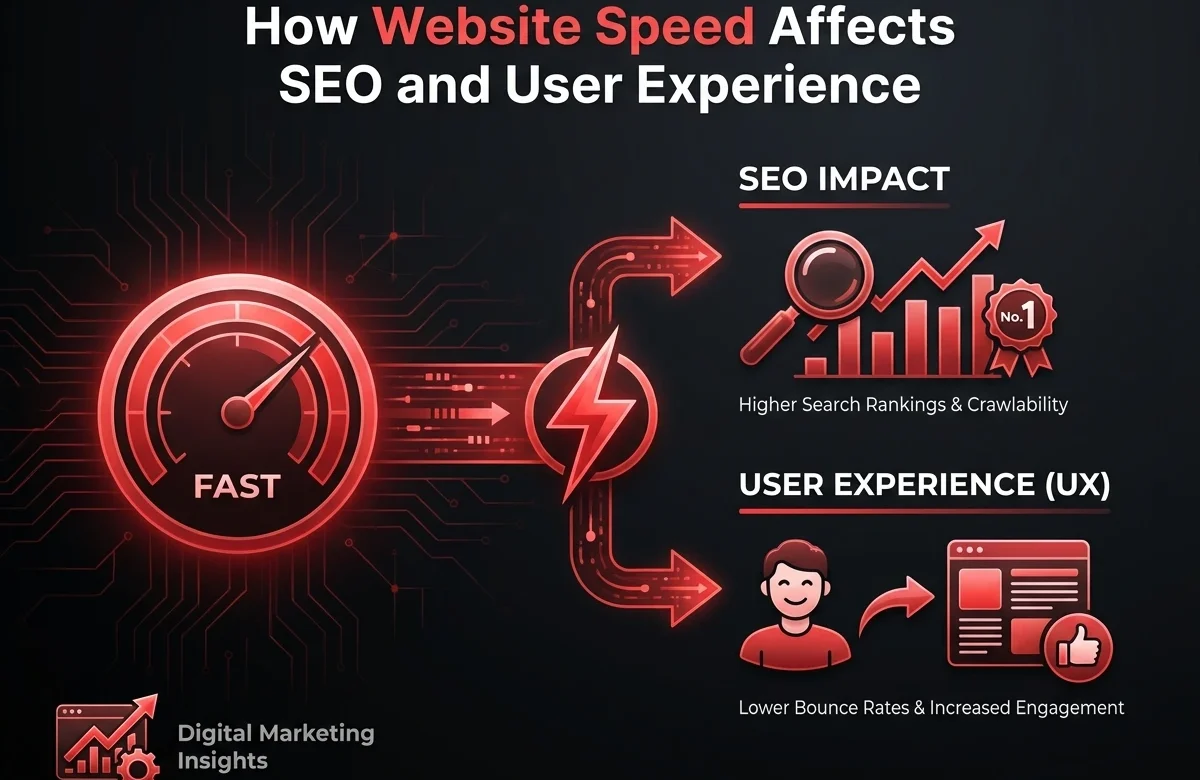
How Website Speed Affects SEO and User Experience
01

How Website Speed Affects SEO and User Experience

Social media has transformed the way businesses interact with customers. What was once primarily a communication platform has now become one of the most powerful tools for business growth and…

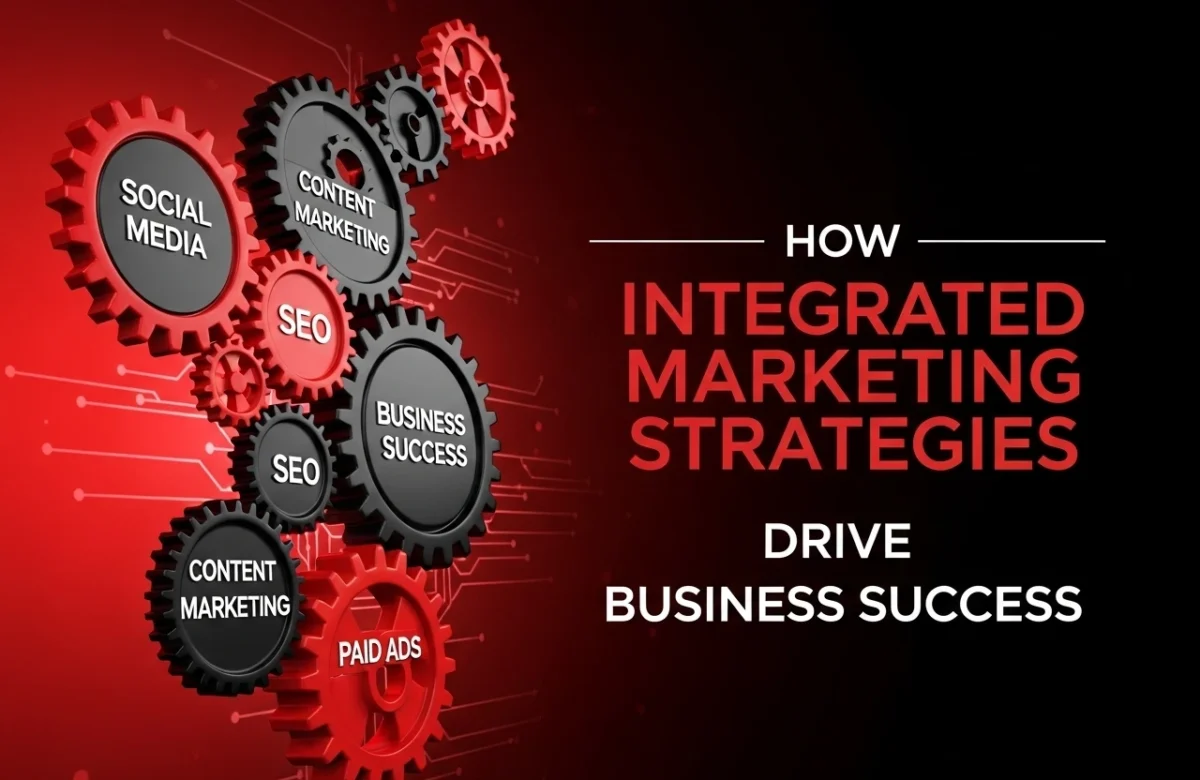
How Integrated Marketing Strategies Drive Business Success
03

How Integrated Marketing Strategies Drive Business Success

Modern marketing requires coordination across multiple channels to achieve strong and consistent results. Businesses today interact with customers through websites, social media platforms, email campaigns, and online advertisements.