
-
851 Views
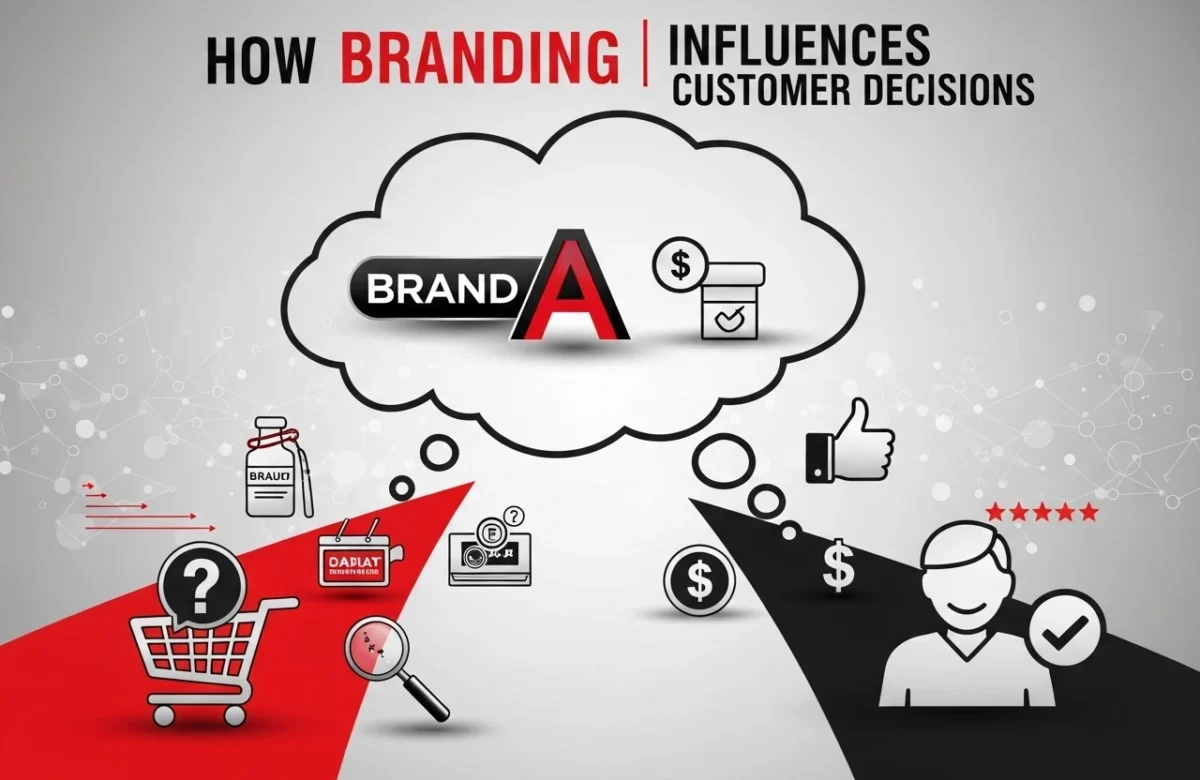
Imagine two businesses selling exactly the same product.
One has a recognizable logo, consistent colors, professional packaging, clear messaging, and a memorable online presence.
The other has three different logo versions, inconsistent social media designs, and a website that looks like it was assembled during a lunch break.
Which business would you trust first?
Most customers develop an impression of a business before they ever purchase from it. This is where brand identity becomes important.
Building a recognizable brand involves much more than designing a logo. It requires a consistent visual identity, clear messaging, strategic positioning, and a memorable customer experience.
For startups, small businesses, and established companies in Pakistan, investing in professional Branding Services can help create a stronger market presence and differentiate the business from competitors.
What Is Brand Identity?
Brand identity is the collection of visual and communication elements a business uses to represent itself and create a recognizable impression in the market.
It helps customers identify your business and understand what makes it different.
A complete brand identity may include:
Logo design
Brand colors
Typography
Visual elements
Brand guidelines
Brand messaging
Tone of voice
Packaging design
Marketing materials
Social media identity
Website presentation
Think of brand identity as the personality and appearance of your business.
Your logo might introduce the brand, but your messaging, customer experience, and visual consistency help people remember it.
Why Is Brand Identity Important for Business Growth?
Customers have countless choices when researching products and services.
When multiple businesses offer similar products, branding can help influence how customers perceive their quality, reliability, and value.
A strong brand identity can help businesses:
Improve brand recognition
Build customer trust
Communicate business values
Differentiate from competitors
Create consistent marketing
Strengthen customer relationships
Support long-term brand equity
Without a clear identity, even a business offering excellent products may struggle to communicate what makes it special.
A great product with confusing branding is like a fantastic restaurant with no signboard. The food might be incredible, but customers first need to find the place.
1. Start With a Clear Brand Strategy
Before designing a logo or selecting brand colors, understand what your business stands for.
A successful brand strategy begins with important questions:
Who is your target audience?
What problem does your business solve?
What makes your business different?
What values does your brand represent?
How should customers perceive your business?
What position do you want to establish in the market?
For example, a premium skincare company may want to communicate quality, sophistication, and reliability.
A technology startup may focus on innovation, simplicity, and performance.
Both businesses need different branding strategies because their audiences, products, and market expectations are different.
A professional Branding Strategy and Identity Service can help businesses develop a consistent foundation before investing in individual marketing activities.
2. Create a Memorable Logo and Visual Identity
Your logo is often one of the first elements customers associate with your business.
However, a professional visual identity goes beyond creating an attractive symbol.
It should establish a consistent design language that works across different platforms and marketing materials.
Important elements include:
Logo Design
Your logo should be recognizable, relevant to your brand, and adaptable to different applications.
Brand Colors
A consistent color palette helps establish visual recognition and communicate the desired brand personality.
Typography
Fonts influence readability, personality, and the overall visual experience.
Graphic Elements
Icons, shapes, illustrations, and supporting design elements help create a distinctive visual system.
Brand Guidelines
Brand guidelines explain how visual elements should be used across websites, packaging, social media, advertisements, and other marketing materials.
The objective is to ensure that your business looks like the same business everywhere.
3. Understand Your Brand Positioning
Brand identity explains how your business presents itself. Brand positioning focuses on how you want customers to perceive your business compared with competitors.
This distinction matters.
Imagine five companies offering website development services in Lahore.
If all five describe themselves using the same generic phrases, customers may struggle to understand why they should choose one over another.
Effective brand positioning should communicate:
Your target market
Your unique value proposition
Your competitive advantage
Your service quality
Your market differentiation
Your brand promise
A business should be able to answer one important question:
Why should customers choose your brand instead of another available option?
Without a clear answer, your marketing messages can easily become interchangeable with those of your competitors.
4. Develop a Consistent Brand Voice
Your brand communicates through more than visuals.
The language you use in advertisements, website copy, social media captions, emails, and customer support interactions also contributes to brand identity.
A brand voice should reflect your audience and business personality.
For example:
A financial consultancy may prefer a professional and reassuring tone.
A beauty brand may use an engaging and lifestyle-focused tone.
A technology company may communicate through an informative and innovative voice.
A creative agency may adopt a bold and conversational personality.
Consistency makes your brand easier to recognize and helps establish a more coherent customer experience.
5. Maintain Consistent Branding Across Digital Platforms
Your brand should feel recognizable whether customers discover it through Google, Instagram, LinkedIn, advertisements, or your website.
Inconsistent presentation can create confusion and weaken brand recognition.
Businesses should maintain consistency across:
Website design
Social media profiles
Marketing campaigns
Advertising creatives
Email communication
Product packaging
Business presentations
Digital advertisements
A coordinated approach to Social Media Marketing can help maintain consistent communication and visuals across relevant platforms.
Your website should also reflect the same identity.
Professional Website Development Services can help businesses create a digital experience that aligns with their visual identity, messaging, and customer expectations.
6. Build Brand Trust Through Customer Experience
Strong branding isn’t just about what customers see. It is also about what they experience.
Consider a company with beautiful advertisements but poor communication, confusing pricing, and unreliable service.
The branding might attract attention, but the customer experience can damage the trust it initially creates.
Businesses should ensure that their brand promise is supported by actual customer experiences.
Important elements include:
Reliable products and services
Transparent communication
Professional customer support
Consistent service quality
Genuine customer reviews
Clear business information
Easy-to-use digital platforms
Brand credibility develops when businesses consistently deliver what they promise.
7. Connect Branding With SEO and Digital Marketing
Branding and digital marketing should not operate independently.
A well-designed brand needs visibility, while a strong marketing strategy needs a recognizable identity.
For example, SEO helps potential customers discover your business through relevant search queries.
Your website communicates your services and value proposition.
Social media helps build recognition and engagement.
Paid advertising can expand reach and generate demand.
Consistent branding connects these activities into a more recognizable digital presence.
Professional SEO Services can support your brand’s organic visibility through keyword research, content optimization, technical SEO, and authority-building strategies.
The combination of branding and digital marketing creates a stronger foundation for customer acquisition and long-term growth.
8. Common Branding Mistakes Businesses Should Avoid
Many businesses make branding decisions without considering their long-term impact.
Some common mistakes include:
Changing Your Logo Too Frequently
Updating your identity without a clear reason can make it harder for customers to recognize your business.
Copying Competitors
Taking inspiration is different from copying. Your brand needs a distinct position rather than another company’s personality with a different name.
Ignoring Brand Guidelines
Using different colors, fonts, and logo variations across platforms weakens visual consistency.
Focusing Only on Logo Design
A logo cannot compensate for unclear positioning, weak communication, or inconsistent customer experiences.
Ignoring the Target Audience
A design that appeals to the business owner may not necessarily connect with the intended customers.
Treating Branding as a One-Time Project
A brand needs ongoing consistency and occasional strategic refinement as the business evolves.
How to Build a Brand Identity: A Practical Checklist
Before launching or refreshing your brand, review these essential elements.
Brand Strategy
Define your target audience.
Identify your competitive advantage.
Establish your brand positioning.
Develop your unique value proposition.
Visual Identity
Create a professional logo.
Select brand colors.
Define typography.
Develop supporting graphic elements.
Prepare brand guidelines.
Brand Communication
Establish your brand voice.
Develop consistent messaging.
Define your key brand promises.
Align website and social media communication.
Digital Presence
Create a consistent website experience.
Optimize social media profiles.
Maintain visual consistency across campaigns.
Connect branding with SEO and content marketing.
Brand Performance
Monitor brand recognition.
Review customer feedback.
Evaluate customer perception.
Maintain consistency across touchpoints.
Why Work With Strategos Media Solutions?
Strategos Media Solutions helps businesses develop stronger brand identities through strategic branding, creative design, digital marketing, and web development.
Our branding approach focuses on helping businesses communicate their value, establish a recognizable visual identity, and differentiate themselves in competitive markets.
Explore our Branding Services to learn more about our approach to brand identity, positioning, visual identity development, and brand guidelines.
You can also explore our portfolio and previous projects to see how we approach creative and digital challenges across different industries.
Whether you’re launching a new startup, refreshing an established brand, or improving your digital presence, the right branding strategy can provide a stronger foundation for future growth.
Frequently Asked Questions About Brand Identity
What is the difference between branding and brand identity?
Brand identity refers to the visual and communication elements that represent a business. Branding is the broader strategic process of shaping how customers recognize and perceive that business.
How much does professional branding cost in Pakistan?
Branding costs depend on the scope of work, research requirements, logo and visual identity development, brand guidelines, packaging, and additional creative deliverables. Request a quotation based on your specific business requirements.
Why do small businesses need branding?
Branding helps small businesses establish a professional identity, differentiate themselves from competitors, communicate their value, and build recognition among potential customers.
How long does it take to develop a brand identity?
The timeline depends on the complexity of the project, research, design requirements, revisions, and approval process. A complete branding project typically involves more than simply designing a logo.
Can branding help with digital marketing?
Yes. Consistent branding can improve recognition and make digital marketing communication more cohesive across websites, social media, advertising, and other customer touchpoints.
When should a business rebrand?
A business may consider rebranding when its positioning changes, target audience evolves, visual identity becomes outdated, or its existing brand no longer reflects its products, services, or strategic direction.
Conclusion
A strong brand is not built through a logo alone.
It requires clear positioning, a recognizable visual identity, consistent communication, and positive customer experiences.
For businesses competing in Pakistan’s growing digital marketplace, investing in professional branding can help establish a more distinctive identity and create stronger connections with customers.
Whether you’re building a new business or refreshing an established company, focus on creating a brand that people can recognize, understand, and remember.
Because being another business in the market is easy.
Building a brand that customers remember is the real achievement.
For professional branding and digital growth solutions, connect with Strategos Media Solutions.