
B2B Lead Generation Strategies: How to Find and Convert Business Customers

Finding customers for a business is challenging. Finding the right customers for a business can be even harder.

For B2B companies, generating inquiries isn’t simply about reaching thousands of people on social media or collecting random email addresses.

The real objective is to connect with decision-makers who have a genuine business need, understand your offering, and have the potential to become long-term clients.

This is where B2B Lead Generation becomes an important part of business growth.

Whether you’re a software company, marketing agency, consultancy, manufacturer, or professional service provider, a structured lead generation strategy can help build a consistent pipeline of potential customers.

In this guide, we’ll explore practical B2B lead generation strategies, useful digital channels, and ways to convert business prospects into paying clients.

What Is B2B Lead Generation?

B2B lead generation is the process of identifying and attracting potential business customers who may be interested in your products or services.

Unlike business-to-consumer marketing, B2B marketing often involves longer decision-making processes, multiple stakeholders, higher-value transactions, and relationship-based selling.

Common B2B leads include:

  • Companies looking for software solutions

  • Businesses searching for marketing agencies

  • Organizations requiring website development

  • Retailers seeking wholesale suppliers

  • Companies looking for recruitment services

  • Enterprises searching for technology partners

  • Businesses requiring professional consultancy

The objective is to attract relevant prospects and guide them through a process that eventually leads to a business relationship.

Why Is B2B Lead Generation Important?

Many businesses depend heavily on referrals and existing customer relationships.

While referrals can be valuable, relying entirely on them may limit opportunities for consistent business development.

A structured B2B lead generation strategy can help companies:

  • Reach new business audiences

  • Generate qualified inquiries

  • Build a predictable sales pipeline

  • Improve brand visibility

  • Establish industry credibility

  • Reduce dependence on referrals

  • Support long-term business growth

  • Measure marketing performance

Instead of waiting for potential clients to discover your business by chance, lead generation creates opportunities to reach them through relevant marketing channels.

1. Define Your Ideal Customer Profile (ICP)

Before investing in marketing campaigns, identify the businesses you actually want to attract.

An Ideal Customer Profile (ICP) describes the characteristics of companies most likely to benefit from your services.

Consider:

Industry

Which industries need your products or services?

For example, a digital marketing agency may target eCommerce brands, healthcare companies, real estate businesses, and technology startups.

Company Size

Are you targeting startups, small businesses, medium-sized companies, or large enterprises?

Location

Will you target businesses in Lahore, across Pakistan, or international markets?

Budget

What level of investment can your ideal clients realistically allocate?

Business Challenges

What problems are these companies trying to solve?

Understanding these characteristics helps create more relevant marketing messages and improves audience targeting.

2. Use SEO to Attract Businesses Actively Searching for Solutions

Search engine optimization is one of the most valuable long-term channels for B2B lead generation.

Potential customers often search Google when they need a specific service or want to compare available providers.

Examples include:

  • Digital marketing agency in Lahore

  • B2B software development company

  • Website development services Pakistan

  • SEO agency for eCommerce businesses

  • Professional branding services

  • Business automation solutions

By optimizing service pages and publishing helpful content around relevant search queries, businesses can improve their chances of appearing in organic search results.

A practical B2B SEO strategy includes:

  • Commercial keyword research

  • Service-page optimization

  • Industry-specific landing pages

  • Helpful informational blogs

  • Technical SEO

  • Internal linking

  • Relevant backlinks

  • Conversion-focused website content

For businesses seeking better organic visibility, SEO Services by Strategos Media Solutions can support search optimization and digital growth objectives.

3. Use LinkedIn for B2B Prospecting

LinkedIn is particularly useful for reaching professionals, company founders, department heads, and business decision-makers.

Unlike platforms primarily focused on entertainment and lifestyle content, LinkedIn provides an environment where professional discussions, business networking, and industry insights are common.

Businesses can use LinkedIn to:

  • Identify potential clients

  • Connect with relevant decision-makers

  • Share industry knowledge

  • Publish case studies

  • Participate in professional discussions

  • Build company credibility

  • Generate inbound inquiries

Create a Professional Company Page

Your company page should clearly explain:

  • What your business does

  • Which industries you serve

  • What problems you solve

  • What makes your offering different

  • How prospects can contact you

Publish Useful Industry Content

Avoid turning every LinkedIn post into a sales advertisement.

Instead, share:

  • Industry insights

  • Practical business advice

  • Project experiences

  • Case studies

  • Common industry challenges

  • Educational content

  • Company updates

Build Relevant Connections

Connect with people who match your ideal customer profile.

Personalize outreach and focus on starting meaningful business conversations rather than immediately sending generic sales pitches.

4. Create High-Converting B2B Landing Pages

Your website is often one of the first places potential business customers visit when evaluating your company.

A dedicated landing page can help communicate your offer and encourage prospects to take action.

A strong B2B landing page should include:

  • A clear headline

  • A specific value proposition

  • Relevant service information

  • Business benefits

  • Case studies or genuine testimonials

  • Relevant trust signals

  • A clear call to action

  • A simple inquiry form

For example, a company offering website development should create a landing page that explains its development capabilities, target clients, project approach, and inquiry process.

Avoid sending every advertising campaign to your homepage. Relevant landing pages make it easier for visitors to understand the specific offer that attracted them.

5. Use Email Marketing to Nurture Business Leads

Not every potential customer is ready to purchase immediately.

Some prospects may be researching providers, comparing quotations, seeking internal approval, or waiting for the right business opportunity.

Email marketing helps maintain communication with prospects who have appropriately opted in or otherwise been contacted through lawful, compliant business outreach.

Useful B2B email campaigns include:

  • Educational newsletters

  • Service announcements

  • Industry updates

  • Case studies

  • Product demonstrations

  • Webinar invitations

  • Follow-up communication

  • Helpful resources

A successful email strategy should focus on relevance and value rather than sending the same sales message repeatedly.

Segment your audience according to industry, business needs, interests, and stage in the buying journey.

6. Invest in Targeted Digital Advertising

Paid advertising can help B2B companies reach relevant audiences and generate inquiries more quickly than waiting for organic visibility to develop.

Different advertising platforms serve different purposes.

Google Ads

Google Ads can reach businesses actively searching for specific services.

For example, companies searching for “IT consulting services” or “website development company Lahore” may have stronger commercial intent than users casually browsing social media.

LinkedIn Ads

LinkedIn advertising provides professional audience targeting options that can be useful for reaching relevant job functions, industries, and organizations.

Meta Ads

Facebook and Instagram advertising can support awareness, retargeting, and lead generation for B2B companies where their audiences are active.

Before launching campaigns, define:

  • Target audience

  • Campaign objective

  • Budget

  • Conversion action

  • Landing page

  • Lead qualification criteria

  • Performance metrics

The goal is not simply to generate the cheapest leads. It is to attract prospects who have a realistic chance of becoming customers.

7. Use Content Marketing to Build B2B Authority

Business customers often research a company before making purchasing decisions.

They want to understand its expertise, capabilities, reliability, and experience.

Helpful content can address these concerns while building credibility.

Effective B2B content formats include:

  • Industry guides

  • Case studies

  • Whitepapers

  • Research articles

  • Educational blogs

  • Comparison guides

  • Webinars

  • Service explainers

  • Frequently asked questions

For example, a technology company could publish an article explaining how businesses can reduce operational inefficiencies through automation.

A digital agency could publish a practical guide to improving website conversion rates.

The content should answer genuine customer questions and provide useful information instead of repeating sales messages.

8. Build Trust Through Case Studies and Client Results

B2B customers often want evidence before committing to a service provider.

They may ask:

  • Have you worked with businesses like ours?

  • Can you demonstrate relevant experience?

  • What challenges have you addressed?

  • What was the project approach?

  • What outcomes were achieved?

Case studies can help answer these questions.

A useful case study should explain:

  1. The client’s initial challenge.

  2. The objectives of the project.

  3. The strategy or solution implemented.

  4. The work completed.

  5. The measurable outcomes, where verified.

For example, a web development agency might showcase how it improved an eCommerce website’s navigation, mobile usability, and checkout experience.

Use genuine projects and accurate results. Credibility is much stronger when supported by evidence.

9. Implement a Lead Qualification Process

Not every inquiry represents a suitable business opportunity.

Some prospects may have unrealistic budgets, unclear requirements, or needs outside your service capabilities.

Lead qualification helps businesses prioritize relevant opportunities.

You can evaluate prospects based on:

  • Business requirements

  • Project scope

  • Budget

  • Timeline

  • Decision-making authority

  • Business location

  • Service compatibility

A simple lead classification system can include:

Marketing Qualified Lead (MQL): A prospect who has demonstrated relevant interest through marketing interactions.

Sales Qualified Lead (SQL): A prospect assessed as suitable for direct sales engagement.

Opportunity: A qualified business prospect with an active potential purchase or project.

This process helps marketing and sales teams coordinate their efforts more effectively.

10. Follow Up and Manage Leads Consistently

One of the most common problems in B2B lead generation is poor follow-up.

A potential client submits an inquiry, receives an initial response, and then hears nothing for several days.

Meanwhile, another provider may already have contacted them.

Develop a clear follow-up process that includes:

  • Prompt acknowledgment of inquiries

  • Understanding customer requirements

  • Sharing relevant information

  • Scheduling consultations

  • Providing quotations

  • Following up professionally

  • Recording communication history

A CRM system can help organize prospect information, manage sales stages, and reduce the risk of losing important inquiries.

Marketing generates opportunities, but consistent sales communication helps move them forward.

B2B Lead Generation Channels Compared

Different channels offer different advantages depending on your audience, budget, and sales cycle.

Marketing ChannelPrimary PurposeSuitable For
SEOOrganic search visibilityLong-term lead acquisition
LinkedInProfessional networkingB2B prospecting
Google AdsCapturing search demandHigh-intent prospects
Email MarketingLead nurturingRelationship development
Content MarketingEducation and authorityResearch-driven buyers
Meta AdsAwareness and retargetingAudience engagement
Case StudiesDemonstrating expertiseBuilding purchase confidence
CRMLead organizationSales pipeline management

A coordinated strategy generally works better than depending on one channel alone.

How to Measure B2B Lead Generation Performance

Generating inquiries is not enough. Businesses need to understand whether those inquiries are turning into meaningful sales opportunities.

Monitor the following metrics:

MetricWhat It Measures
Total LeadsNumber of generated inquiries
Qualified LeadsProspects matching your requirements
Cost Per LeadMarketing cost per generated lead
Lead Conversion RatePercentage of leads progressing to the defined conversion stage
Customer Acquisition CostCost of acquiring a customer
Sales Conversion RatePercentage of relevant sales opportunities converted into customers
Pipeline ValuePotential value of active sales opportunities
Return on Marketing InvestmentBusiness return relative to marketing investment

Track lead quality and revenue outcomes alongside campaign performance.

A campaign generating 100 irrelevant inquiries may be less valuable than one generating 15 qualified business opportunities.

Common B2B Lead Generation Mistakes

Businesses often struggle with lead generation because they focus on activity instead of strategy.

Avoid these mistakes:

Targeting Everyone

Trying to reach every business makes marketing messages less relevant.

Buying Unverified Contact Lists

Poor-quality contact data can damage outreach effectiveness and create privacy and compliance risks.

Sending Generic Sales Messages

Personalized, relevant communication is more useful than identical messages sent to hundreds of prospects.

Ignoring Lead Qualification

A high inquiry volume does not automatically mean a healthy sales pipeline.

Neglecting Follow-Ups

Without consistent communication, potential business opportunities can disappear.

Focusing Only on Traffic

Website traffic is useful, but qualified inquiries and sales outcomes provide a clearer picture of business value.

Running Campaigns Without Tracking

Without proper measurement, businesses struggle to identify which channels and campaigns generate meaningful results.

B2B Lead Generation Services by Strategos Media Solutions

Strategos Media Solutions helps businesses strengthen their digital marketing and customer acquisition efforts through SEO, performance marketing, social media marketing, web development, and creative solutions.

Our approach focuses on connecting businesses with relevant audiences through strategic marketing activities and conversion-oriented digital experiences.

Explore our Performance Marketing and Digital Marketing Services to learn how targeted campaigns and data-driven strategies can support business growth.

You can also explore our Social Media Marketing Services for audience development, content strategy, community management, and professional social media campaigns.

For businesses looking to improve their digital presence, our Web Development Services can support professional websites and digital customer experiences.

Visit our portfolio to explore selected projects and our work across different industries.

Whether you’re a startup, established company, or professional service provider, the right B2B marketing strategy can help create more opportunities for sustainable business development.

Frequently Asked Questions About B2B Lead Generation

What is the best B2B lead generation strategy?

There is no single strategy that works for every business. SEO, LinkedIn, email marketing, paid advertising, and content marketing can all support B2B lead generation. The best combination depends on your target audience, industry, sales cycle, and budget.

How can small businesses generate B2B leads?

Small businesses can begin with a clearly defined ideal customer profile, an optimized website, relevant SEO content, LinkedIn networking, professional outreach, and a structured follow-up process.

Is LinkedIn effective for B2B lead generation?

LinkedIn can be effective for professional networking, reaching decision-makers, sharing industry knowledge, and developing business relationships. Results depend on audience relevance and the quality of engagement.

What is the difference between B2B and B2C lead generation?

B2B lead generation targets businesses and professional decision-makers, often involving longer buying cycles and multiple stakeholders. B2C lead generation focuses on individual consumers and typically involves different purchasing motivations and sales processes.

How do I generate qualified B2B leads?

Define your ideal customer profile, target relevant audiences, create useful content, develop appropriate landing pages, use lead qualification criteria, and monitor the quality of inquiries.

How long does B2B lead generation take?

Timelines depend on industry competition, marketing channels, budget, audience, and purchasing cycles. SEO and content marketing generally require sustained effort, while paid advertising and professional outreach can create opportunities sooner.

Conclusion

B2B lead generation is not about collecting the largest possible number of contacts.

It is about attracting relevant businesses, understanding their needs, building credibility, and creating opportunities that can develop into long-term customer relationships.

By combining SEO, LinkedIn marketing, content creation, paid advertising, email communication, and consistent lead management, businesses can build a more structured approach to customer acquisition.

For companies in Lahore, across Pakistan, and international markets, a well-planned B2B marketing strategy can help strengthen visibility and support sustainable business growth.

Stop chasing every possible prospect.

Start building connections with the businesses that actually need what you offer.

For professional digital marketing and lead generation solutions, connect with Strategos Media Solutions.
Finding customers for a business is challenging. Finding the right customers for a business can be even harder.

For B2B companies, generating inquiries isn’t simply about reaching thousands of people on social media or collecting random email addresses.

The real objective is to connect with decision-makers who have a genuine business need, understand your offering, and have the potential to become long-term clients.

This is where B2B Lead Generation becomes an important part of business growth.

Whether you’re a software company, marketing agency, consultancy, manufacturer, or professional service provider, a structured lead generation strategy can help build a consistent pipeline of potential customers.

In this guide, we’ll explore practical B2B lead generation strategies, useful digital channels, and ways to convert business prospects into paying clients.

What Is B2B Lead Generation?

B2B lead generation is the process of identifying and attracting potential business customers who may be interested in your products or services.

Unlike business-to-consumer marketing, B2B marketing often involves longer decision-making processes, multiple stakeholders, higher-value transactions, and relationship-based selling.

Common B2B leads include:

  • Companies looking for software solutions

  • Businesses searching for marketing agencies

  • Organizations requiring website development

  • Retailers seeking wholesale suppliers

  • Companies looking for recruitment services

  • Enterprises searching for technology partners

  • Businesses requiring professional consultancy

The objective is to attract relevant prospects and guide them through a process that eventually leads to a business relationship.

Why Is B2B Lead Generation Important?

Many businesses depend heavily on referrals and existing customer relationships.

While referrals can be valuable, relying entirely on them may limit opportunities for consistent business development.

A structured B2B lead generation strategy can help companies:

  • Reach new business audiences

  • Generate qualified inquiries

  • Build a predictable sales pipeline

  • Improve brand visibility

  • Establish industry credibility

  • Reduce dependence on referrals

  • Support long-term business growth

  • Measure marketing performance

Instead of waiting for potential clients to discover your business by chance, lead generation creates opportunities to reach them through relevant marketing channels.

1. Define Your Ideal Customer Profile (ICP)

Before investing in marketing campaigns, identify the businesses you actually want to attract.

An Ideal Customer Profile (ICP) describes the characteristics of companies most likely to benefit from your services.

Consider:

Industry

Which industries need your products or services?

For example, a digital marketing agency may target eCommerce brands, healthcare companies, real estate businesses, and technology startups.

Company Size

Are you targeting startups, small businesses, medium-sized companies, or large enterprises?

Location

Will you target businesses in Lahore, across Pakistan, or international markets?

Budget

What level of investment can your ideal clients realistically allocate?

Business Challenges

What problems are these companies trying to solve?

Understanding these characteristics helps create more relevant marketing messages and improves audience targeting.

2. Use SEO to Attract Businesses Actively Searching for Solutions

Search engine optimization is one of the most valuable long-term channels for B2B lead generation.

Potential customers often search Google when they need a specific service or want to compare available providers.

Examples include:

  • Digital marketing agency in Lahore

  • B2B software development company

  • Website development services Pakistan

  • SEO agency for eCommerce businesses

  • Professional branding services

  • Business automation solutions

By optimizing service pages and publishing helpful content around relevant search queries, businesses can improve their chances of appearing in organic search results.

A practical B2B SEO strategy includes:

  • Commercial keyword research

  • Service-page optimization

  • Industry-specific landing pages

  • Helpful informational blogs

  • Technical SEO

  • Internal linking

  • Relevant backlinks

  • Conversion-focused website content

For businesses seeking better organic visibility, SEO Services by Strategos Media Solutions can support search optimization and digital growth objectives.

3. Use LinkedIn for B2B Prospecting

LinkedIn is particularly useful for reaching professionals, company founders, department heads, and business decision-makers.

Unlike platforms primarily focused on entertainment and lifestyle content, LinkedIn provides an environment where professional discussions, business networking, and industry insights are common.

Businesses can use LinkedIn to:

  • Identify potential clients

  • Connect with relevant decision-makers

  • Share industry knowledge

  • Publish case studies

  • Participate in professional discussions

  • Build company credibility

  • Generate inbound inquiries

Create a Professional Company Page

Your company page should clearly explain:

  • What your business does

  • Which industries you serve

  • What problems you solve

  • What makes your offering different

  • How prospects can contact you

Publish Useful Industry Content

Avoid turning every LinkedIn post into a sales advertisement.

Instead, share:

  • Industry insights

  • Practical business advice

  • Project experiences

  • Case studies

  • Common industry challenges

  • Educational content

  • Company updates

Build Relevant Connections

Connect with people who match your ideal customer profile.

Personalize outreach and focus on starting meaningful business conversations rather than immediately sending generic sales pitches.

4. Create High-Converting B2B Landing Pages

Your website is often one of the first places potential business customers visit when evaluating your company.

A dedicated landing page can help communicate your offer and encourage prospects to take action.

A strong B2B landing page should include:

  • A clear headline

  • A specific value proposition

  • Relevant service information

  • Business benefits

  • Case studies or genuine testimonials

  • Relevant trust signals

  • A clear call to action

  • A simple inquiry form

For example, a company offering website development should create a landing page that explains its development capabilities, target clients, project approach, and inquiry process.

Avoid sending every advertising campaign to your homepage. Relevant landing pages make it easier for visitors to understand the specific offer that attracted them.

5. Use Email Marketing to Nurture Business Leads

Not every potential customer is ready to purchase immediately.

Some prospects may be researching providers, comparing quotations, seeking internal approval, or waiting for the right business opportunity.

Email marketing helps maintain communication with prospects who have appropriately opted in or otherwise been contacted through lawful, compliant business outreach.

Useful B2B email campaigns include:

  • Educational newsletters

  • Service announcements

  • Industry updates

  • Case studies

  • Product demonstrations

  • Webinar invitations

  • Follow-up communication

  • Helpful resources

A successful email strategy should focus on relevance and value rather than sending the same sales message repeatedly.

Segment your audience according to industry, business needs, interests, and stage in the buying journey.

6. Invest in Targeted Digital Advertising

Paid advertising can help B2B companies reach relevant audiences and generate inquiries more quickly than waiting for organic visibility to develop.

Different advertising platforms serve different purposes.

Google Ads

Google Ads can reach businesses actively searching for specific services.

For example, companies searching for “IT consulting services” or “website development company Lahore” may have stronger commercial intent than users casually browsing social media.

LinkedIn Ads

LinkedIn advertising provides professional audience targeting options that can be useful for reaching relevant job functions, industries, and organizations.

Meta Ads

Facebook and Instagram advertising can support awareness, retargeting, and lead generation for B2B companies where their audiences are active.

Before launching campaigns, define:

  • Target audience

  • Campaign objective

  • Budget

  • Conversion action

  • Landing page

  • Lead qualification criteria

  • Performance metrics

The goal is not simply to generate the cheapest leads. It is to attract prospects who have a realistic chance of becoming customers.

7. Use Content Marketing to Build B2B Authority

Business customers often research a company before making purchasing decisions.

They want to understand its expertise, capabilities, reliability, and experience.

Helpful content can address these concerns while building credibility.

Effective B2B content formats include:

  • Industry guides

  • Case studies

  • Whitepapers

  • Research articles

  • Educational blogs

  • Comparison guides

  • Webinars

  • Service explainers

  • Frequently asked questions

For example, a technology company could publish an article explaining how businesses can reduce operational inefficiencies through automation.

A digital agency could publish a practical guide to improving website conversion rates.

The content should answer genuine customer questions and provide useful information instead of repeating sales messages.

8. Build Trust Through Case Studies and Client Results

B2B customers often want evidence before committing to a service provider.

They may ask:

  • Have you worked with businesses like ours?

  • Can you demonstrate relevant experience?

  • What challenges have you addressed?

  • What was the project approach?

  • What outcomes were achieved?

Case studies can help answer these questions.

A useful case study should explain:

  1. The client’s initial challenge.

  2. The objectives of the project.

  3. The strategy or solution implemented.

  4. The work completed.

  5. The measurable outcomes, where verified.

For example, a web development agency might showcase how it improved an eCommerce website’s navigation, mobile usability, and checkout experience.

Use genuine projects and accurate results. Credibility is much stronger when supported by evidence.

9. Implement a Lead Qualification Process

Not every inquiry represents a suitable business opportunity.

Some prospects may have unrealistic budgets, unclear requirements, or needs outside your service capabilities.

Lead qualification helps businesses prioritize relevant opportunities.

You can evaluate prospects based on:

  • Business requirements

  • Project scope

  • Budget

  • Timeline

  • Decision-making authority

  • Business location

  • Service compatibility

A simple lead classification system can include:

Marketing Qualified Lead (MQL): A prospect who has demonstrated relevant interest through marketing interactions.

Sales Qualified Lead (SQL): A prospect assessed as suitable for direct sales engagement.

Opportunity: A qualified business prospect with an active potential purchase or project.

This process helps marketing and sales teams coordinate their efforts more effectively.

10. Follow Up and Manage Leads Consistently

One of the most common problems in B2B lead generation is poor follow-up.

A potential client submits an inquiry, receives an initial response, and then hears nothing for several days.

Meanwhile, another provider may already have contacted them.

Develop a clear follow-up process that includes:

  • Prompt acknowledgment of inquiries

  • Understanding customer requirements

  • Sharing relevant information

  • Scheduling consultations

  • Providing quotations

  • Following up professionally

  • Recording communication history

A CRM system can help organize prospect information, manage sales stages, and reduce the risk of losing important inquiries.

Marketing generates opportunities, but consistent sales communication helps move them forward.

B2B Lead Generation Channels Compared

Different channels offer different advantages depending on your audience, budget, and sales cycle.

Marketing ChannelPrimary PurposeSuitable For
SEOOrganic search visibilityLong-term lead acquisition
LinkedInProfessional networkingB2B prospecting
Google AdsCapturing search demandHigh-intent prospects
Email MarketingLead nurturingRelationship development
Content MarketingEducation and authorityResearch-driven buyers
Meta AdsAwareness and retargetingAudience engagement
Case StudiesDemonstrating expertiseBuilding purchase confidence
CRMLead organizationSales pipeline management

A coordinated strategy generally works better than depending on one channel alone.

How to Measure B2B Lead Generation Performance

Generating inquiries is not enough. Businesses need to understand whether those inquiries are turning into meaningful sales opportunities.

Monitor the following metrics:

MetricWhat It Measures
Total LeadsNumber of generated inquiries
Qualified LeadsProspects matching your requirements
Cost Per LeadMarketing cost per generated lead
Lead Conversion RatePercentage of leads progressing to the defined conversion stage
Customer Acquisition CostCost of acquiring a customer
Sales Conversion RatePercentage of relevant sales opportunities converted into customers
Pipeline ValuePotential value of active sales opportunities
Return on Marketing InvestmentBusiness return relative to marketing investment

Track lead quality and revenue outcomes alongside campaign performance.

A campaign generating 100 irrelevant inquiries may be less valuable than one generating 15 qualified business opportunities.

Common B2B Lead Generation Mistakes

Businesses often struggle with lead generation because they focus on activity instead of strategy.

Avoid these mistakes:

Targeting Everyone

Trying to reach every business makes marketing messages less relevant.

Buying Unverified Contact Lists

Poor-quality contact data can damage outreach effectiveness and create privacy and compliance risks.

Sending Generic Sales Messages

Personalized, relevant communication is more useful than identical messages sent to hundreds of prospects.

Ignoring Lead Qualification

A high inquiry volume does not automatically mean a healthy sales pipeline.

Neglecting Follow-Ups

Without consistent communication, potential business opportunities can disappear.

Focusing Only on Traffic

Website traffic is useful, but qualified inquiries and sales outcomes provide a clearer picture of business value.

Running Campaigns Without Tracking

Without proper measurement, businesses struggle to identify which channels and campaigns generate meaningful results.

B2B Lead Generation Services by Strategos Media Solutions

Strategos Media Solutions helps businesses strengthen their digital marketing and customer acquisition efforts through SEO, performance marketing, social media marketing, web development, and creative solutions.

Our approach focuses on connecting businesses with relevant audiences through strategic marketing activities and conversion-oriented digital experiences.

Explore our Performance Marketing and Digital Marketing Services to learn how targeted campaigns and data-driven strategies can support business growth.

You can also explore our Social Media Marketing Services for audience development, content strategy, community management, and professional social media campaigns.

For businesses looking to improve their digital presence, our Web Development Services can support professional websites and digital customer experiences.

Visit our portfolio to explore selected projects and our work across different industries.

Whether you’re a startup, established company, or professional service provider, the right B2B marketing strategy can help create more opportunities for sustainable business development.

Frequently Asked Questions About B2B Lead Generation

What is the best B2B lead generation strategy?

There is no single strategy that works for every business. SEO, LinkedIn, email marketing, paid advertising, and content marketing can all support B2B lead generation. The best combination depends on your target audience, industry, sales cycle, and budget.

How can small businesses generate B2B leads?

Small businesses can begin with a clearly defined ideal customer profile, an optimized website, relevant SEO content, LinkedIn networking, professional outreach, and a structured follow-up process.

Is LinkedIn effective for B2B lead generation?

LinkedIn can be effective for professional networking, reaching decision-makers, sharing industry knowledge, and developing business relationships. Results depend on audience relevance and the quality of engagement.

What is the difference between B2B and B2C lead generation?

B2B lead generation targets businesses and professional decision-makers, often involving longer buying cycles and multiple stakeholders. B2C lead generation focuses on individual consumers and typically involves different purchasing motivations and sales processes.

How do I generate qualified B2B leads?

Define your ideal customer profile, target relevant audiences, create useful content, develop appropriate landing pages, use lead qualification criteria, and monitor the quality of inquiries.

How long does B2B lead generation take?

Timelines depend on industry competition, marketing channels, budget, audience, and purchasing cycles. SEO and content marketing generally require sustained effort, while paid advertising and professional outreach can create opportunities sooner.

Conclusion

B2B lead generation is not about collecting the largest possible number of contacts.

It is about attracting relevant businesses, understanding their needs, building credibility, and creating opportunities that can develop into long-term customer relationships.

By combining SEO, LinkedIn marketing, content creation, paid advertising, email communication, and consistent lead management, businesses can build a more structured approach to customer acquisition.

For companies in Lahore, across Pakistan, and international markets, a well-planned B2B marketing strategy can help strengthen visibility and support sustainable business growth.

Stop chasing every possible prospect.

Start building connections with the businesses that actually need what you offer.

For professional digital marketing and lead generation solutions, connect with Strategos Media Solutions.

Related articles

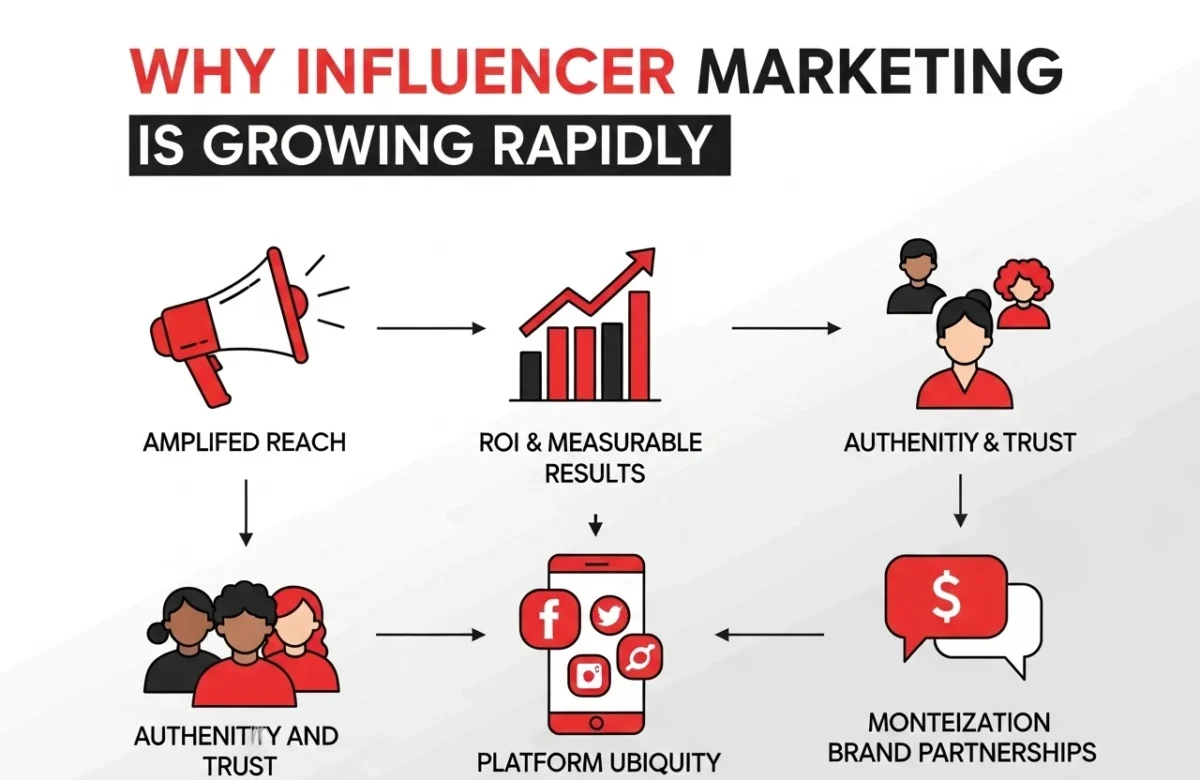
Why Influencer Marketing is Growing Rapidly
02

Why Influencer Marketing is Growing Rapidly

Influencer marketing has become one of the fastest-growing trends in digital marketing strategies. Businesses are increasingly collaborating with influencers to promote their products and services to targeted audiences.